Personal finance and wealth-building books have influenced millions of people worldwide, but two titles consistently stand out: Rich Dad Poor Dad and The Psychology of Money.
Both books explore how people think about money, wealth, and financial success. However, they approach the subject from completely different perspectives.
If you’re trying to improve your financial mindset, build wealth, or better understand money decisions, this comparison will help you decide which book is the better fit for you.
In this guide from UpBooks, we’ll compare:
- The main ideas of each book
- Key lessons and financial philosophies
- Differences in approach to wealth
- Which book is better for entrepreneurs
- When to read each book
By the end of this article, you’ll have a clear understanding of which book matches your financial journey.
Overview of Rich Dad Poor Dad

4
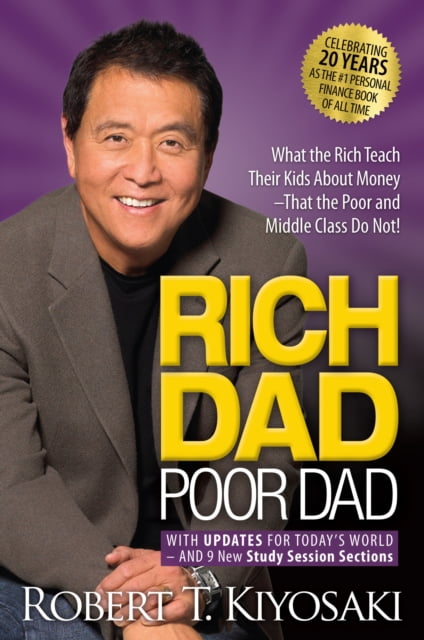
Written by Robert Kiyosaki, Rich Dad Poor Dad became one of the most influential personal finance books ever published.
The book tells the story of two father figures:
- Poor Dad – the author’s real father, who believed in traditional education and stable employment.
- Rich Dad – the father of his best friend, who believed in entrepreneurship, investing, and financial independence.
Through this contrast, the book explains how wealthy people think differently about money.
Key Lessons from Rich Dad Poor Dad
The book introduces several important financial concepts:
Assets vs liabilities
Kiyosaki argues that wealthy people focus on acquiring assets that generate income, such as businesses, investments, and real estate.
Financial education
Traditional schools rarely teach money management or investing. Learning financial literacy independently is crucial.
Don’t rely solely on a salary
The book encourages readers to build multiple income streams rather than depending only on employment.
Make money work for you
Instead of working harder for money, successful people invest in assets that generate passive income.
The main focus of Rich Dad Poor Dad is to shift your mindset from employee thinking to investor thinking.
Overview of The Psychology of Money


4
Written by Morgan Housel, The Psychology of Money explores a different side of wealth.
Instead of focusing on investment strategies, the book examines how human behavior influences financial decisions.
The book is composed of short stories and lessons that illustrate how people think about risk, greed, happiness, and long-term financial success.
Key Lessons from The Psychology of Money
Some of the most powerful ideas include:
Financial success depends on behavior
You don’t need to be a financial genius to build wealth. Discipline and patience matter more than intelligence.
Compounding is powerful
Long-term investing and patience are key to building wealth.
Avoid greed
Many financial failures happen because people push for more instead of appreciating what they already have.
Freedom is the ultimate goal of money
Money should provide control over your time and life, not just status or luxury.
The core message of this book is that wealth is driven by mindset and behavior more than technical knowledge.
Main Difference Between the Two Books
Although both books talk about wealth and financial success, their focus is very different.
Rich Dad Poor Dad focuses on financial education and wealth-building strategies.
The Psychology of Money focuses on behavior, emotions, and long-term financial mindset.
In simple terms:
- Rich Dad Poor Dad teaches how wealthy people think about assets and income.
- The Psychology of Money teaches how people behave when dealing with money.
One is more about financial strategy, while the other is about financial psychology.
Financial Philosophy Comparison
Rich Dad Poor Dad: Build Income-Producing Assets
Robert Kiyosaki encourages readers to focus on building assets that generate money.
Examples include:
- Businesses
- Real estate
- Stocks and investments
- Passive income streams
The book strongly promotes entrepreneurship and investing as paths to financial independence.
Its philosophy is based on financial leverage and asset accumulation.
The Psychology of Money: Master Your Behavior
Morgan Housel believes that financial success depends more on behavior than strategy.
He emphasizes:
- Long-term thinking
- Emotional discipline
- Avoiding unnecessary risks
- Understanding your relationship with money
Instead of focusing on specific investments, the book focuses on how to make smarter financial decisions over time.
Which Book Is Better for Entrepreneurs?
Entrepreneurs can benefit from both books, but each offers different advantages.
Why Entrepreneurs Should Read Rich Dad Poor Dad
This book is excellent for entrepreneurs because it encourages:
- Thinking beyond a traditional job
- Creating businesses and investments
- Building assets that generate income
For many readers, this book sparks the desire to pursue entrepreneurship.
Why Entrepreneurs Should Read The Psychology of Money
Entrepreneurs deal with risk, uncertainty, and financial pressure.
This book helps entrepreneurs develop:
- Emotional control when facing financial decisions
- Long-term thinking when building wealth
- A balanced perspective on money and success
It helps avoid the mistakes caused by greed or impatience.
Writing Style Comparison
Another difference between the books is their writing style.
Rich Dad Poor Dad
- Story-driven
- Easy to read
- Motivational tone
- Focused on mindset shift
This book is extremely beginner-friendly.
The Psychology of Money
- Thoughtful and analytical
- Uses short stories and case studies
- Explores deeper psychological ideas
Many readers find it insightful and reflective.
Pros and Cons
Rich Dad Poor Dad
Pros
- Inspiring introduction to financial freedom
- Easy to understand
- Motivates readers to think differently about money
Cons
- Some concepts feel repetitive
- Less practical detail about investments
The Psychology of Money
Pros
- Deep insights about financial behavior
- Timeless lessons
- Useful for both beginners and experienced investors
Cons
- Less actionable strategies
- Focuses more on mindset than tactics
Which Book Should You Read First?
The answer depends on your financial goals.
Start With Rich Dad Poor Dad If:
- You’re new to financial education
- You want to learn about assets and passive income
- You want motivation to pursue entrepreneurship
Start With The Psychology of Money If:
- You want to understand how emotions affect financial decisions
- You want long-term wealth principles
- You want a deeper understanding of money behavior
Can These Books Complement Each Other?
Yes, and reading both together can be extremely powerful.
Rich Dad Poor Dad helps you understand how wealth is created.
The Psychology of Money helps you understand how wealth is managed and preserved.
Combining the two ideas creates a strong financial foundation:
- Learn how to build assets
- Develop the discipline to manage them wisely
Final Verdict from UpBooks
Both Rich Dad Poor Dad and The Psychology of Money are valuable books that have helped millions of readers improve their financial thinking.
If you want motivation to build assets and pursue financial independence, start with Rich Dad Poor Dad.
If you want deeper insights into financial behavior and long-term wealth thinking, read The Psychology of Money.
The best approach, however, is to read both books and apply their lessons together.
Financial success depends not only on what you invest in, but also on how you think about money.
And mastering both perspectives can dramatically improve your financial future.