
If you think building wealth is mostly about intelligence, investing strategies, or mathematical formulas — this book will change your perspective completely.
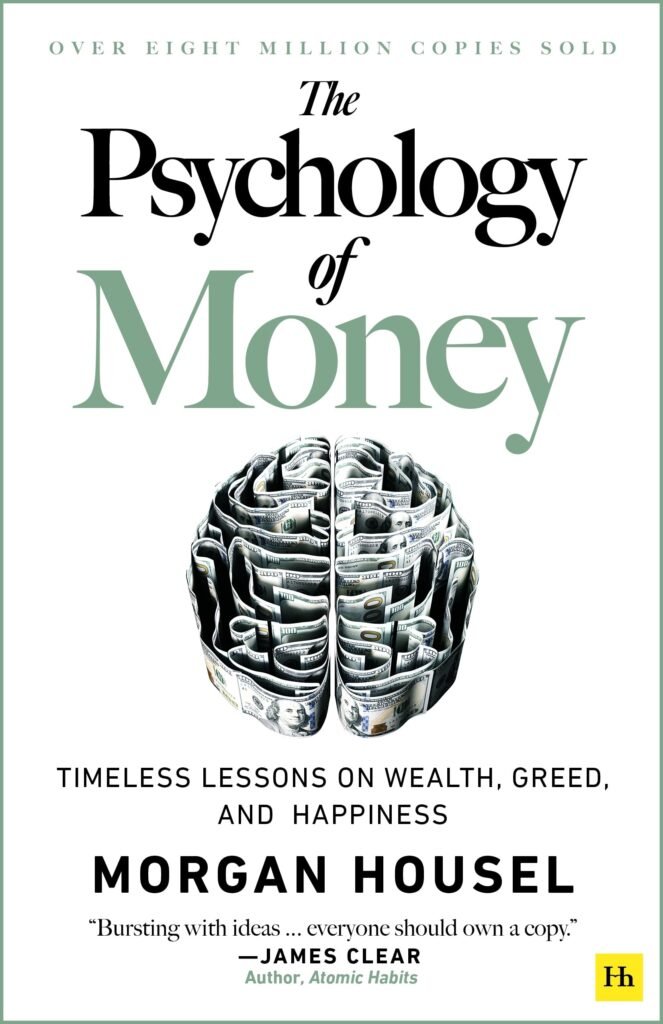
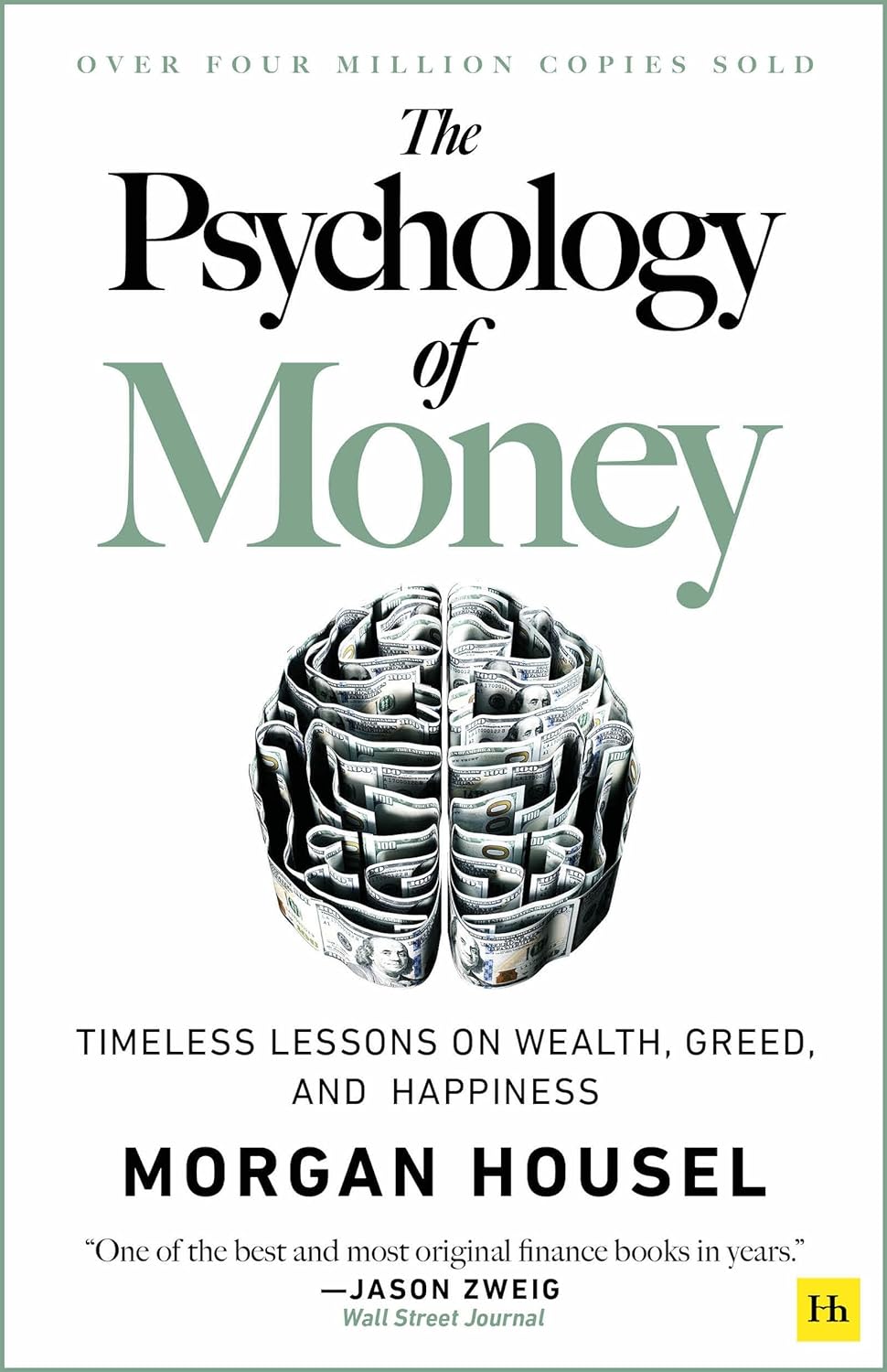
The Psychology of Money: Timeless Lessons on Wealth, Greed, and Happiness is not a traditional finance book. It doesn’t teach stock picking. It doesn’t give complex economic theories.
Instead, it explains something more powerful:
Financial success depends more on behavior than knowledge.
In this in-depth review by UpBooks – The Entrepreneur’s Book Hub, we’ll explore:
- What the book is about
- The core philosophy behind it
- The most powerful lessons
- Why it matters for entrepreneurs
- Key takeaways you can apply immediately
- Whether it’s worth reading
About the Author: Morgan Housel


4
Morgan Housel is a partner at The Collaborative Fund and a former columnist at The Motley Fool and The Wall Street Journal.
He is known for making complex financial ideas simple and deeply human.
His strength isn’t technical analysis — it’s understanding how people think about money.
What Is The Psychology of Money About?
The Psychology of Money

4
The book is structured as a collection of short stories (19 chapters), each teaching a timeless lesson about wealth, risk, greed, happiness, and long-term financial behavior.
Instead of telling you:
- “Here’s how to get rich fast.”
It explains:
- Why people make irrational financial decisions
- Why emotions dominate money decisions
- Why consistency beats brilliance
- Why enough is better than more
It’s about behavior, not spreadsheets.
The Core Idea: Wealth Is a Behavioral Skill
One of the strongest ideas in the book:
Doing well with money has little to do with how smart you are and a lot to do with how you behave.
You can be a financial genius and still fail if:
- You’re greedy
- You panic during downturns
- You chase status
- You can’t delay gratification
This lesson is extremely relevant for entrepreneurs, investors, and ambitious professionals.
Key Lessons from The Psychology of Money
Let’s break down the most powerful concepts.
1. No One Is Crazy
People make financial decisions based on:
- Their upbringing
- Their experiences
- The economic era they lived in
What seems irrational to you may be perfectly logical from their perspective.
This helps explain:
- Risk tolerance differences
- Spending behaviors
- Investment decisions
Understanding this makes you more rational — and less judgmental.
2. Luck & Risk Play a Bigger Role Than We Admit
Success isn’t purely merit-based.
Luck and timing matter.
But so does risk.
Many successful people:
- Took risks that happened to work out
- Operated in favorable environments
This lesson teaches humility — and smarter risk management.
3. Getting Rich vs Staying Rich
Getting rich requires:
- Taking risks
- Being optimistic
- Acting boldly
Staying rich requires:
- Humility
- Discipline
- Long-term thinking
Many people succeed once but fail to maintain wealth because they confuse the two strategies.
For entrepreneurs, this is crucial.
4. Freedom Is the Ultimate Form of Wealth
Housel argues that the highest dividend money pays is:
Control over your time.
Not cars.
Not status.
Not luxury.
Time autonomy.
For readers building businesses, this lesson hits hard.
Financial success should increase freedom — not stress.
5. Compounding Is the Real Superpower
We often underestimate exponential growth.
Small consistent returns over long periods create massive results.
This applies to:
- Investing
- Business growth
- Skill development
- Habit building
Compounding requires patience — something modern culture lacks.
6. “Enough” Is a Powerful Word
Greed destroys wealth.
Many financial disasters happen because people:
- Wanted just a little more
- Took one extra risk
- Refused to stop
Knowing when you have “enough” protects you.
This chapter alone can save someone from long-term regret.
Why Entrepreneurs Should Read This Book
If you’re building a business, trading, investing, or scaling e-commerce — this book is essential.
Because:
- Business decisions are emotional
- Risk management is psychological
- Scaling requires patience
- Market cycles test your discipline
This book improves:
- Financial maturity
- Long-term thinking
- Emotional control
- Risk awareness
It’s not about tactics.
It’s about mindset.
And mindset compounds.
Real-World Applications
Here’s how you can apply this book immediately.
In Investing
- Focus on long-term consistency
- Avoid panic selling
- Avoid chasing hype
In Business
- Build for sustainability
- Avoid ego-driven expansion
- Protect cash flow
In Personal Finance
- Save before you show off
- Avoid lifestyle inflation
- Value time freedom over status
Writing Style & Readability
One of the strongest points of this book:
- Simple language
- Short chapters
- Story-driven lessons
- No technical jargon
You don’t need a finance degree to understand it.
That’s why it appeals to:
- Beginners
- Experienced investors
- Entrepreneurs
- Students
Pros and Cons
Pros
- Deep psychological insights
- Easy to read
- Practical lessons
- Applicable across cultures
- Timeless principles
Cons
- Not technical (no stock strategies)
- Repeats some concepts
- Less actionable than step-by-step guides
Still, its impact is long-term and foundational.
Is The Psychology of Money Worth Reading?
Absolutely.
Especially if:
- You want to build wealth long-term
- You’re an entrepreneur
- You want smarter financial decisions
- You care about financial independence
This isn’t a “get rich quick” book.
It’s a “get rich wisely” book.
Who Should Read It?
This book is ideal for:
- Entrepreneurs
- Investors
- Business owners
- Students
- Professionals in growth markets
- Anyone interested in wealth & financial behavior
It’s especially powerful for readers in fast-growing economies where wealth-building opportunities are increasing.
Final Verdict from UpBooks
At UpBooks, we evaluate books based on:
- Practical wisdom
- Long-term value
- Relevance to entrepreneurs
- Reread potential
The Psychology of Money ranks extremely high.
It changes how you think — not just how you invest.
And thinking differently about money changes everything.
Where to Buy The Psychology of Money
You can check availability and current pricing on:
Conclusion: Wealth Is More About Behavior Than Intelligence
If there’s one takeaway from this book, it’s this:
Money success is not about being the smartest person in the room.
It’s about:
- Patience
- Discipline
- Humility
- Long-term thinking
In a world chasing fast money and viral success, this book teaches stability.
And stability builds real wealth.